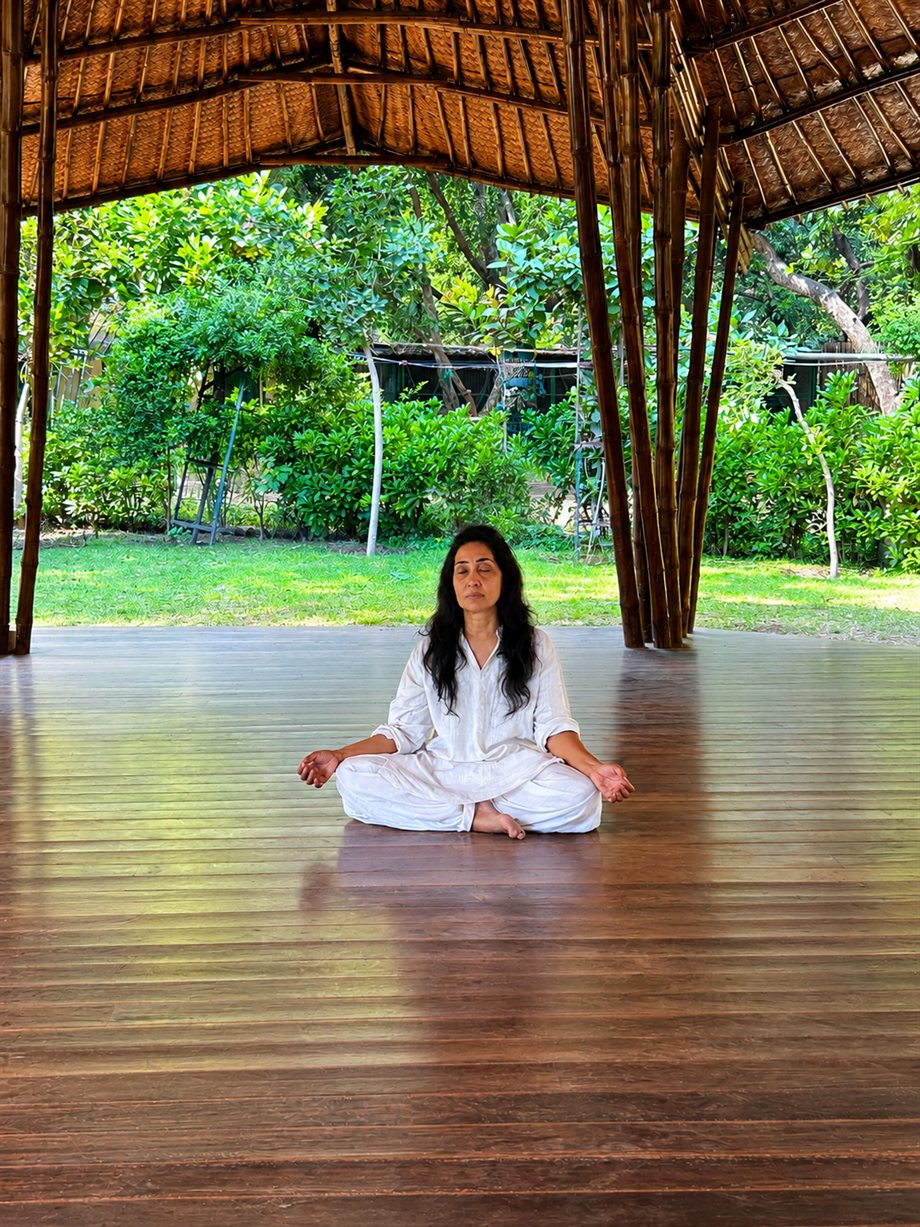
A structured meditation centre offers recalibration rather than escape — integrating meditation into daily rhythm as part of holistic health.
The Need for Meditation in Urban Life
South Delhi's pace keeps the nervous system activated, creating familiar patterns: restlessness, incomplete sleep, irritability, concentration difficulties and fatigue. A well-structured centre addresses these at their source by strengthening attention, slowing stress responses and restoring balance.
Meditation Through a Holistic Approach
Meditation often fails for lack of structure. A centre provides guided sessions, breath-regulation practices, nervous-system calming techniques, mind-body awareness exercises and lifestyle adjustments. Professional guidance prevents overexertion and lets practice deepen through discipline.
How It Supports Physical & Emotional Health
Meditation's effects are physiological — regular practice reduces stress hormones, stabilises blood pressure and shifts breathing from shallow to measured. Over time people notice less anxiety, better digestion, greater immune resilience, sharper concentration and emotional steadiness.
The Role of Environment
Environment shapes meditation depth. A calm, structured setting with natural light and minimal distraction lets awareness settle without strain, so depth develops naturally.
Preventive Care & Building Consistency
Consistent practice strengthens coping capacity, improves stress response and enhances present-moment attention before imbalance develops. Professionals, students and anyone seeking steadiness benefit from guided, individualised practice — and structured, regularly scheduled sessions build the discipline that turns meditation into a lasting habit.