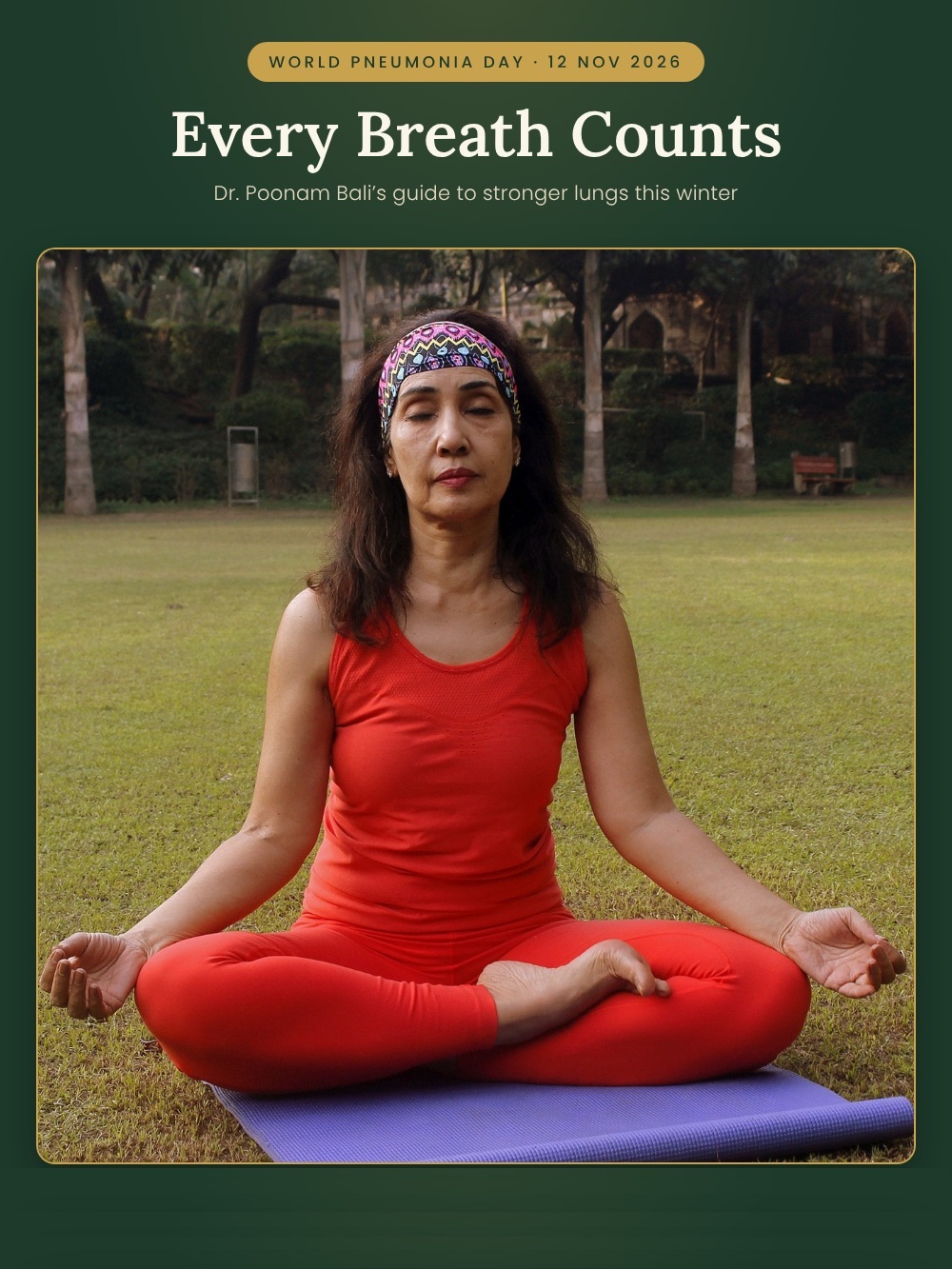
By Dr. Poonam Bali, B.H.M.S. (Gold Medallist), P.G. Homoeopathy (London) · Published
Every November, as Delhi's sky turns grey, the questions in my clinic change. Parents ask why their child's cough will not settle. Grown-up children worry about a parent who "just has a cold" but seems more tired than usual. On World Pneumonia Day 2026, I want to talk about the lungs: how to protect them, and when a cough needs a formal attention by a doctor today, not tomorrow.
In short: pneumonia is a serious lung infection that can be prevented in many cases with timely intervention. The pillars are vaccines, clean air, good nutrition, clean hands and a strong, well-rested body. If you notice rapid or difficult breathing, a high fever or brain fog in an elderly person, see a doctor immediately.
Why World Pneumonia Day still matters in 2026
World Pneumonia Day began in 2009, when doctors, advocates and UN officials came together because pneumonia was killing 1.2 million children a year. This year's theme is "A New Era of Pneumonia Control". It celebrates real progress in vaccines, diagnosis and treatment.
Yet the numbers remind us that the work is not finished. About 2.5 million people died of pneumonia in 2023, and 610,000 of them were children under five. More than one in four pneumonia deaths among people aged 70 and above is linked to air pollution and smoking. That figure matters deeply to us in Delhi.
What exactly is pneumonia?
Pneumonia is an infection of the lungs. The tiny air sacs, called alveoli, fill with fluid or pus. Breathing becomes painful and the body receives less oxygen. It can be caused by bacteria, viruses or, less often, fungi. The most common bacterial cause is Streptococcus pneumoniae, and a common viral cause in young children is RSV (respiratory syncytial virus).
Those most at risk are young children, adults over 65, smokers, and people living with diabetes, heart or lung conditions, or weak immunity.
Looking at the root: why some lungs fall ill and others don't
In more than 30 years of practice, I have learnt to ask a simple question: why this person, and why now? Germs are everywhere in winter. Whether they settle in the lungs depends a great deal on the terrain they land on. I look at that terrain on four levels.
The body: the air we breathe every day. In Delhi, our lungs work harder than almost anywhere else between October and February. Fine particles from smoke and traffic irritate the airways and weaken their natural cleaning system. The World Health Organization lists indoor smoke, crowded homes and passive smoking among the main risk factors for pneumonia. Indoor air counts as much as the AQI outside.
The body: nourishment. Around 60% of child deaths from pneumonia are linked to malnutrition. In my clinic, I see a quieter version of this in well-off homes too: diets low in fresh vegetables, protein and sunlight, and high in refined, packaged food. A body that is hungry for nutrients cannot defend itself well.
The gut: the hidden partner of the lungs. Researchers now speak of the "gut–lung axis". The good bacteria in our intestines help train the immune cells that protect the lungs. This is why my winter plans always begin with the gut: warm, freshly cooked meals, fibre, and fermented foods where they suit the person.
The mind and emotions: how we breathe. When we are anxious or overworked, we breathe shallow and fast, from the top of the chest. Sleep suffers and immunity follows. Traditional systems have long linked the lungs with grief and held-back feelings. I see this every week: people who are carrying too much often stop breathing deeply.
Energy: the elements of air and space. In naturopathy, which my mother lived by, health comes from balancing the five elements. The lungs belong to air (vayu) and space (akash). In Ayurveda, winter is also the season when kapha, the heavy, mucus-forming energy, builds up in the chest. Cold, heavy, late-night meals add to it.
Dr. Bali's breath-safe winter checklist
These are the habits I share with families every winter. They are simple, safe for most people, and they work best together.
- Speak to your doctor about vaccines. The WHO calls vaccines the most effective way to prevent pneumonia. Ask about the pneumococcal and flu vaccines for older parents, and keep children's immunisations up to date. Prevention and natural living go hand in hand.
- Clean the air inside your home. Keep smoke out of closed rooms, including cigarettes, heavy incense and mosquito coils. Air the house when the AQI is lower, usually around midday. On bad days, use an air purifier in the bedroom and a well-fitted N95 mask outdoors.
- Eat for your lungs. Choose warm, freshly cooked meals. Include amla, citrus and guava for vitamin C, dal, paneer, eggs or sprouts for protein, and seasonal greens. Add ginger, turmeric, black pepper and tulsi to soups and teas. Finish dinner early and light.
- Warm water, all day. Sip warm water or herbal infusions. They keep the mucus in the airways thin and easy to clear.
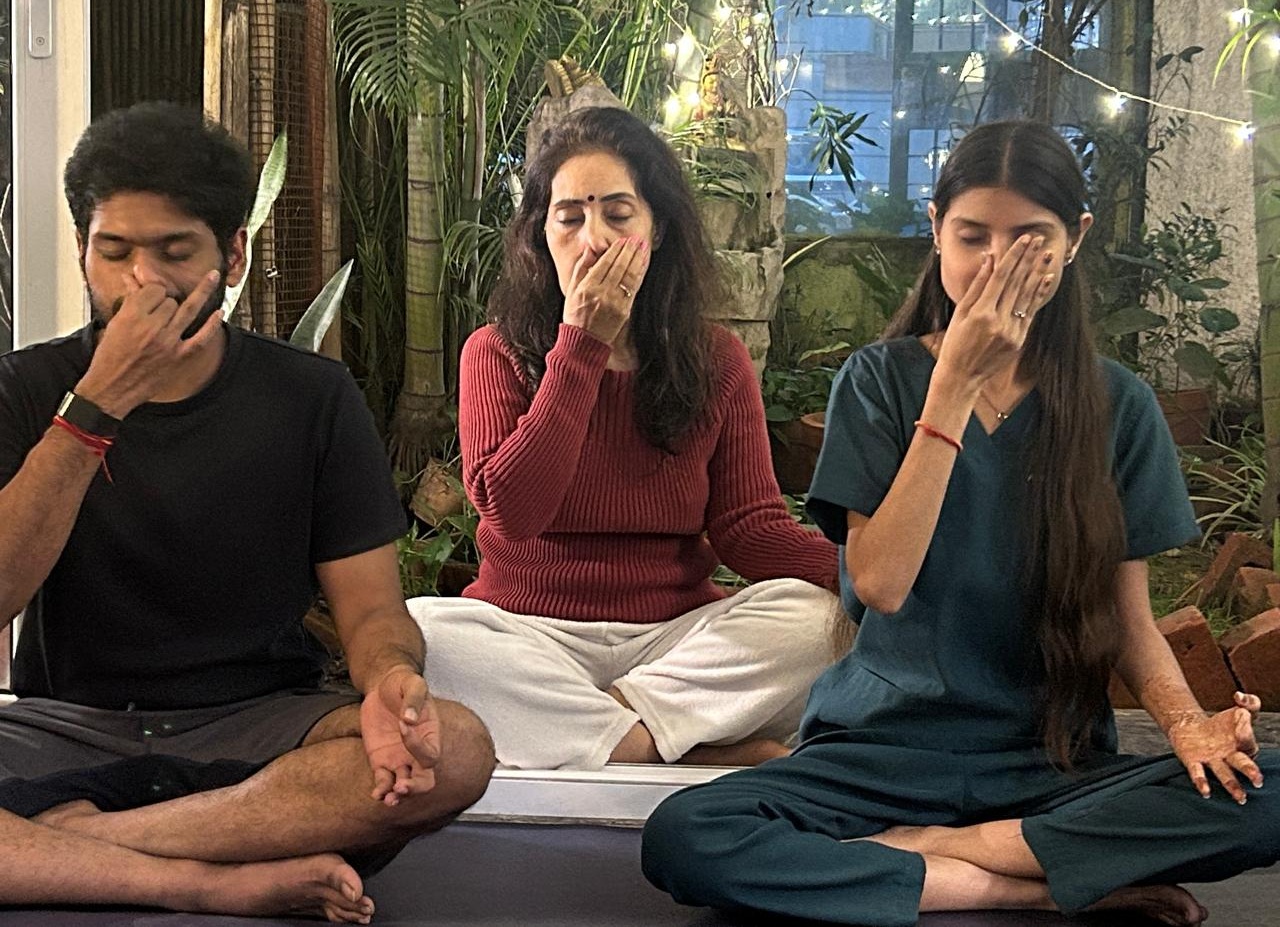
- Breathe deeply every morning. Ten minutes of slow belly breathing, anulom vilom or gentle humming (bhramari) helps the lungs open fully and calms the mind. Practise in clean air, and only when you are well. Pause breathing exercises during fever or infection.
- Wash hands well, and often. Use soap for 20 seconds, especially before meals and after travel. It is the simplest protection there is.
- Find the sun. Spend 15–20 minutes in the morning sun when the air allows. Sunlight supports vitamin D, which your immune system needs.
- Protect your sleep and your peace. Aim for seven to eight hours of sleep. Fewer screens at night and a few minutes of quiet reflection are part of lung care too.
Dr. Bali's tip: "Before you buy another supplement, check three things: what you ate today, how you slept last night, and how deeply you breathed this morning. That is where immunity begins."
Warning signs: when a cough needs a doctor today
I believe in natural care, and I also respect what modern medicine does best. Pneumonia in its acute phase needs a doctor, a proper diagnosis, and often antibiotics or oxygen. Please do not try to manage it at home with remedies alone.
See a doctor straight away, or go to an emergency room, if you notice:
- Fast, laboured or noisy breathing, or the skin pulling in below a child's ribs
- High fever, shaking chills or chest pain when breathing or coughing
- Bluish lips or fingertips
- Confusion, unusual drowsiness or a sudden fall in an older person, even without fever
- A baby who will not feed or drink, or a cough that worsens after first improving
Elderly people may show very few classic signs. A change in behaviour can be the first clue.
After pneumonia: rebuilding strength, gently
Recovery often takes longer than the infection itself. Many people feel tired and breathless for weeks after their course of medicine ends. This is where a holistic plan can help, always alongside the advice of the treating doctor.
At Bliss, my recovery plans focus on:
- Nourishment that rebuilds protein and energy without burdening digestion. See our food and nutrition consultations.
- Gut repair after antibiotics, sometimes guided by our microbiome gut test.
- Gentle breathwork and yoga, introduced step by step once the doctor agrees. See our yoga and meditation sessions.
- Rest and calm, because the nervous system needs to heal too.
Where ozone therapy fits, and where it doesn't
After a chest infection, patients often ask me whether ozone therapy can help. My honest answer is that ozone therapy is not a treatment for pneumonia or any active chest infection. It must never replace antibiotics, oxygen or hospital care. I consider it only later, once a person has fully recovered and their treating doctor agrees, as one part of a wider plan to rebuild overall wellbeing.
Ozone (O₃) is a form of oxygen made of three oxygen atoms instead of the usual two. In medical ozone therapy, pure medical-grade oxygen passes through a generator that turns a small, measured part of it into ozone. It can be given in different ways:
- Ozone steam sauna: the body sits in a cabin while the head stays outside.
- Rectal insufflation: a small amount of the gas is passed into the lower bowel.
- IV ozone: a measured amount of the person's own blood is mixed with ozone and returned to the body.
In integrative medicine, ozone is used as a complementary therapy to support circulation, the body's natural detox processes and immunity. Research on it is still growing. At Bliss, I decide whether it suits someone, which route to use and how many sessions they need only after a detailed consultation. I always plan it alongside their diet, gut care and their own doctor's advice.
Ozone therapy is not suitable for everyone. People with G6PD deficiency (an inherited enzyme deficiency), pregnant women, and people with an overactive thyroid, certain bleeding disorders or a recent heart attack are generally advised to avoid it. You can read more about ozone therapy at Dr. Bali's Bliss.
Begin with one deep breath
World Pneumonia Day is a reminder that every breath counts. Small daily choices in how we eat, breathe, sleep and care for the air at home add up to strong lungs.
If you or a parent keep falling ill every winter, I would be happy to help you find out why. Book a 45-minute root-cause consultation at our Hauz Khas sanctuary, or consult me online from anywhere. You can also reach us on WhatsApp at +91 98104 69956.
Frequently asked questions
Is pneumonia contagious?
The germs that cause pneumonia, such as flu viruses and pneumococcal bacteria, can spread through coughs, sneezes and shared surfaces. Not everyone who catches them develops pneumonia. Whether they do depends on age, immunity and lung health. Covering coughs, washing hands and keeping a sick person's room well aired all reduce the risk to the family.
Can homeopathy or Ayurveda treat pneumonia?
Pneumonia in its acute phase is a medical condition that needs a doctor's diagnosis and, often, antibiotics or oxygen. Holistic care is not a replacement for that. Where homeopathy, Ayurveda, nutrition and yoga can help is in building resistance before winter and supporting recovery afterwards, always alongside the treating doctor's advice.
How long does it take to recover from pneumonia?
Most healthy adults start feeling better within one to two weeks of treatment. Tiredness and a mild cough can last a month or more, and older people may take longer. A gentle return to activity, good protein, rest and slow breathing exercises, once your doctor approves, help the body rebuild its strength.
Does Delhi's air pollution really raise the risk of pneumonia?
Yes. Fine particles from smoke and traffic inflame the airways and weaken the lungs' natural defences. Globally, more than one in four pneumonia deaths among people over 70 is linked to air pollution and smoking. Reducing indoor smoke, using a purifier and wearing an N95 mask outdoors on high-AQI days all help.
Disclaimer: The information on this page is for general education and is not a substitute for personal medical advice. Results vary from person to person. Please consult Dr. Poonam Bali or your own doctor before starting any therapy, and do not stop prescribed medication without your doctor's guidance. If you suspect pneumonia, seek medical care promptly.